Polymarph / Documentary filmmaking
Documentary Filmmaking
Real people. Careful listening. Stories that stay with you. Documentary production from research and location filming to an honest, beautifully finished film.
Let’s Create a Documentary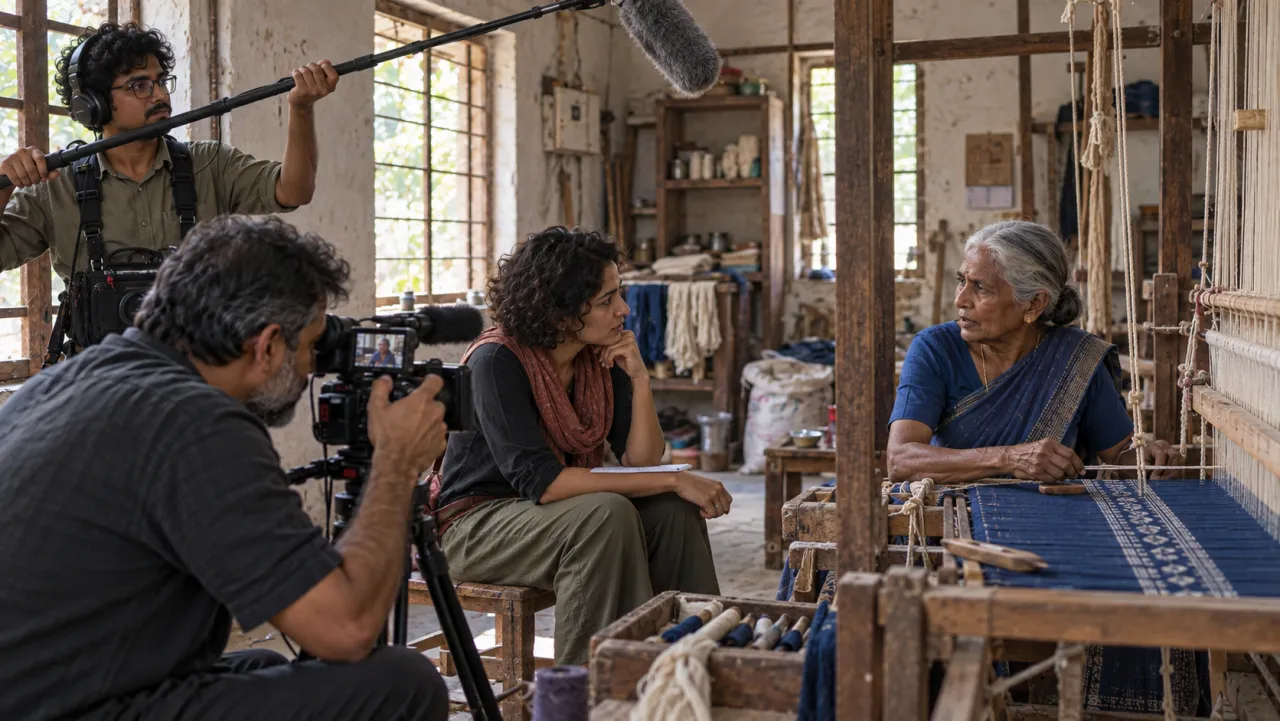
A documentary gives people time to be understood. A pause, a familiar place or a small daily ritual can reveal more than a rehearsed statement. Our approach begins with listening and follows the story with care, so the finished film has both emotional depth and a clear purpose.
The story comes before the shot
Before choosing a camera, we ask what the film needs to understand. Who carries the story? What is changing? What can the audience see for themselves, rather than simply be told? These questions shape the research, interviews and visual approach.
We develop a treatment, not a script that forces real people into predetermined answers. Where a commissioned film has a defined message, we make that purpose clear while preserving the context and meaning of each contributor’s words.
A documentary format suited to the subject
There is no single documentary format that works for every story. A character-led film follows someone whose choices or experience give the audience a way into the subject. An observational film relies more on unfolding scenes. An interview-led film uses testimony, supported by pictures and evidence. We can combine those approaches when the material calls for it.
We help you decide what the film can honestly achieve within the access, time and resources available. A short commissioned film may need a focused question and a small number of contributors. A longer documentary can require repeat visits, a wider range of perspectives and time to observe change. That distinction matters when we propose a schedule.
| Type of film | How we approach it |
|---|---|
| Heritage and craft | Follow the people, techniques and places that carry a tradition; connect close observation with wider context. |
| Social impact and community | Give participants space to describe their experience; distinguish lived testimony from measurable claims. |
| Environmental and scientific | Develop the story with informed contributors and check specialist explanations against appropriate sources. |
| Organisation and founder stories | Connect the organisation’s history and purpose with the people and decisions behind it. |
| Documentary series | Plan episode structure, recurring themes and a consistent production and finishing approach. |
Research that becomes a usable production plan
The research phase turns an interesting subject into a filmable proposition. We identify the central question, review the available information and map the people, places and events that can reveal the story. Early contributor conversations help us understand both what is compelling and what may be difficult to access.
We then develop a treatment describing the proposed direction, tone and likely structure. This is accompanied by a practical filming brief: essential interviews, scenes to observe, locations, archive needs and questions still to resolve. It gives you a clear basis for approving the next phase, rather than committing to production on the strength of a headline alone.
For a scientific or specialist subject, we agree who will review factual explanations and how that review will fit into the edit. When a story contains contested claims, we identify what evidence is available and where further checking or an additional perspective is needed. We keep uncertainty visible rather than smoothing it into an unsupported statement.
- A research summary and proposed central question.
- A treatment and visual direction appropriate to the budget.
- A contributor and location plan, subject to confirmed access.
- A preliminary filming schedule and costed production scope.
Preparation that makes room for real life
A productive documentary shoot starts well before the crew arrives. We plan contributor conversations, location access, a realistic schedule and the material needed to tell the story. Research notes and an interview guide help us ask informed questions without making the conversation feel rehearsed.
Crew, equipment, travel and specialist support are selected around the brief. Regional language support and local coordination can be arranged where needed. International projects are planned around local access, permissions and production partners.
Respect for the people who trust us
A camera can change how someone feels in their own space. We explain the purpose of the film, where it is intended to appear and what participation involves. Consent is a conversation, with particular care around sensitive experiences and vulnerable contributors.
We discuss privacy, attribution and potential risks before filming. Reenactments or illustrative material should be identified when their use could otherwise confuse the audience. Editorial decisions should never turn a contributor’s words into a meaning they did not express.
- Explain intended use and agree appropriate contributor releases.
- Check sensitive details and avoid unnecessary personal disclosure.
- Plan additional safeguards where children or vulnerable people are involved.
- Keep a clear distinction between observation, interpretation and reconstruction.
A considered presence on location
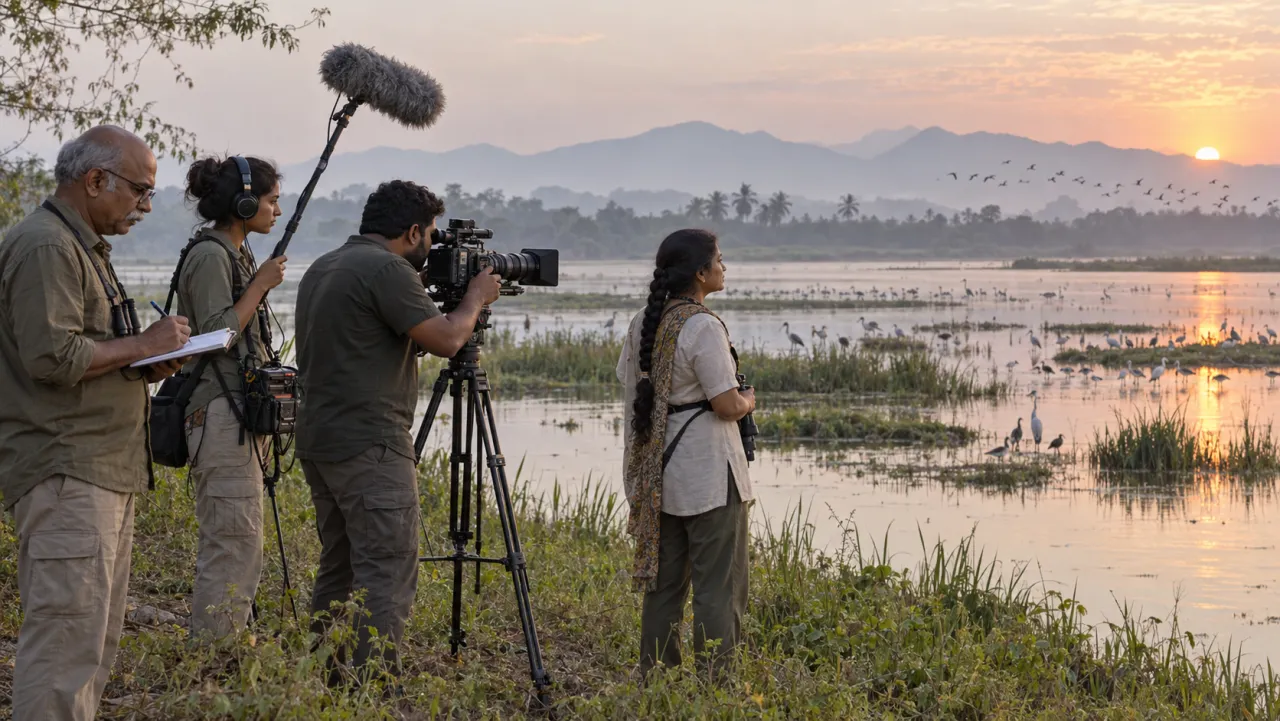
Good documentary images hold attention because they reveal something. We look for actions, relationships and details that belong to the story: a hand at work, a familiar journey, a room settling into silence. We aim to record those moments without overwhelming them.
Clear dialogue matters as much as a beautiful frame. We plan microphone placement, monitor recordings, gather room tone and record the sounds that make a place feel real. Lighting and camera movement are chosen to support the scene rather than draw attention away from it.
- A filming plan that balances essential coverage with time for discovery.
- Interviews, observational sequences, location details and useful transitions.
- Sound capture planned alongside camera coverage.
- Location safety, access rules and environmental impact considered in the shoot plan.
Interviews that sound like a person, not a script
We prepare thoroughly so the contributor does not have to perform a prepared answer. An interview guide keeps the conversation focused, while open questions leave room for detail, memory and unexpected insight. We listen for concrete examples and follow up when an answer needs context.
The setup is chosen around the person and the location. A quiet, familiar environment can help someone feel more comfortable; a more controlled setup may be appropriate when sound or lighting needs attention. We allow time for introductions, microphone placement and a clear explanation of how the conversation will be recorded.
On camera, small choices matter. We agree the interviewer’s position, frame the contributor consistently and record clean dialogue wherever possible. We also collect supporting images that connect their words to the world they describe. These are meaningful scenes and details, rather than unrelated pictures used simply to hide an edit.
The right people, with clear responsibilities
A small crew can make it easier to work in intimate spaces. A more complex production may need separate directing, camera, sound and coordination roles. We propose the team after considering the locations, contributors, filming style and demands of the brief.
The director keeps the story and contributor relationships in view. Camera and lighting decisions support the visual language, while sound recording protects the clarity of interviews and observational scenes. Production coordination manages practical access, transport and scheduling. Where specialist expertise is needed, it is identified and scoped before the shoot.
We also agree a sensible plan for location changes and delays. Weather, access or contributor availability may change what can be filmed on a given day. Essential coverage and contingency time are discussed in the production plan so the crew can adapt without losing sight of the story.
Finding the film in the material
The first assembly helps us see what the footage actually says. We organise interviews and scenes, identify the strongest story threads and build a structure with enough space for emotion and reflection. Pacing comes from the people and the subject, not from a formula.
Review stages give the client a clear way to respond. We separate structural feedback from finishing notes and agree when the picture is locked. Factual statements, names, dates, translations and archive captions are checked against the available sources before final delivery.
A clear relationship between creative freedom and approval
Documentary develops as the material reveals itself. That makes a clear review process especially valuable. We agree who will provide consolidated feedback, what each cut is intended to resolve and when the project moves from editorial development into finishing.
An assembly establishes the available story. A rough cut tests structure and pacing. A fine cut resolves detailed editorial choices. Picture lock provides the basis for colour, sound and titles. The number of review rounds, expected response times and any contributor or specialist checks are included in the scope.
Factual checking and client approval serve different purposes. We make space for checking names, dates, translations and technical statements without treating every review as an unrestricted rewrite. If the brief changes substantially or new filming becomes necessary, we explain the effect on cost and schedule before proceeding.
Practices that protect the finished film
We plan for accuracy, traceable media and an orderly handover. On each project we agree how footage will be copied, verified, organised and retained. Access to sensitive material and the use of licensed content are considered as part of that workflow.
- Documented media copies and file verification appropriate to the production.
- Source records for important factual claims and archive material.
- A record of agreed music, archive, contributor and location permissions.
- Subtitles and captions checked for names, timing and readability.
- Final checks for playback, picture, audio, titles and the agreed delivery specification.
Why work with Polymarph
Our offer brings planning, location production and finishing into one conversation. That continuity helps the research inform the shoot and helps the shoot anticipate the edit. You have a practical production plan, clear review points and deliverables agreed before the work begins.
For projects rooted in India, the brief can draw on regional context, location coordination and language requirements. For projects abroad, we can scope travel and local support by arrangement. The advantage is a team and process built around your particular story, rather than a standard package applied to every film.
- A creative treatment linked to the audience and purpose.
- Crew and production scope tailored to access, complexity and budget.
- Clear feedback stages and an agreed finishing brief.
- Shorter versions and language adaptations considered from the outset.
A film ready for its audience
Your release plan shapes the final package. A festival submission, a website film and a social campaign have different needs. We agree the master format and any trailers, short versions, captions or language editions at the start.
Music licences, archive costs, specialist technical delivery and any extended storage are specified separately where required. Tell us the subject, locations, target runtime and intended release; we will turn them into a practical proposal.
| Deliverable | Purpose and scope |
|---|---|
| Main documentary | The agreed runtime and master specification for its intended release. |
| Trailer or teaser | A separately edited introduction designed for outreach or promotion, where included. |
| Shorter versions | Focused cuts for campaigns, presentations or social channels, with agreed lengths. |
| Captions and language editions | Timed captions and scoped translation, subtitling or voice work. |
| Supporting files | Stills, textless versions, audio stems or other items only where specified. |
| Storage and handover | An agreed retention period and a clear list of files to be supplied. |
What your proposal should make clear
A useful proposal shows what is included and how the production will progress. We set out the intended film, development work, filming assumptions, finishing package and review stages. Travel, accommodation, translation, licensed archive and specialist resources are identified rather than left as surprises.
The timetable reflects the actual production demands. A concentrated short film and a story that depends on events unfolding over months need different schedules. We agree milestone dates after understanding access and release requirements, and identify the decisions or materials the client must supply.
Before starting, we also clarify use of the finished film, agreed rights and permissions, delivery formats and retention of production material. The aim is a shared understanding of the work and a practical way to respond when the circumstances of a real story change.
Before we begin
Can you help develop an idea that is still early?
Yes. Research, contributor discovery and treatment development can be scoped as an initial phase before committing to the full production.
Can you work in regional languages?
Language requirements are agreed in the brief. Interviews, translation, subtitling and voice work can be planned with suitable language support.
Do you guarantee awards or festival selection?
No. Selection depends on the film, the programme and independent juries. We focus on the quality and suitability of the work and the agreed submission deliverables.
Can you film in more than one city?
Yes, subject to the location plan, access and budget. We scope travel, local coordination, filming days and any regional support together.
Will we see the film before it is finished?
Yes. Agreed review milestones let you respond to the structure and later refinements before final finishing.
Can you produce a documentary for a brand or organisation?
Yes. The commissioned purpose is established in the brief, while contributor statements and factual context remain part of the editorial responsibility.
Can we request the original footage?
Footage and project-file handover, permitted use and storage are agreed separately. Some third-party assets or contributor permissions may restrict transfer or reuse.
Start a conversation
Let’s give your story the attention it deserves.
Based in Hyderabad. Projects across India and abroad by arrangement.