Polymarph / Post-production
Editing, Colour & Post-Production
The right cut makes you feel it. Thoughtful editing, colour and sound bring your footage together into a film with clarity, rhythm and a finish suited to its audience.
Let’s Talk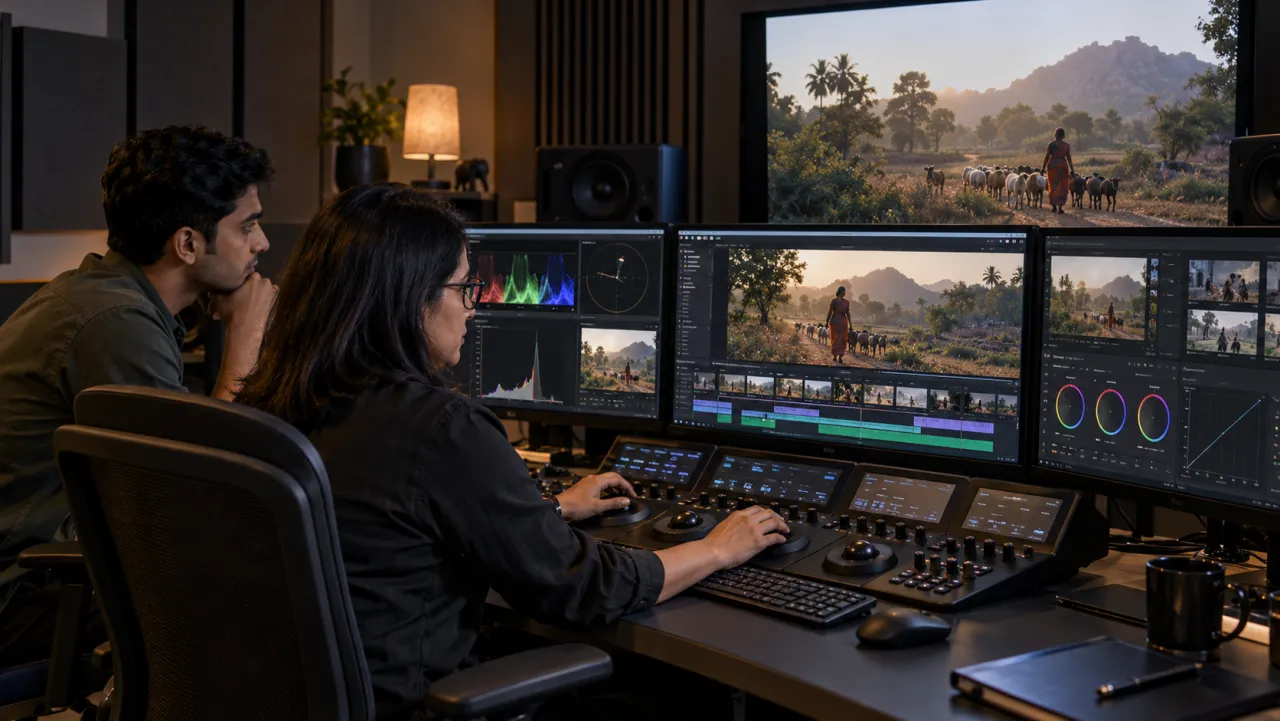
What an audience remembers often lives between the shots. The timing of a cut, the space around a voice and the way sound carries a scene all change how a film feels. We approach post-production as storytelling, with technical discipline supporting every creative choice.
An edit with a reason behind every cut
Editing begins with understanding what the film needs to make the audience feel, notice or do. We watch the material, identify the strongest moments and build a structure around the story. A beautiful shot earns its place by contributing to that structure.
For a documentary, that may mean allowing an exchange to breathe. For a product film, it may mean precise, economical cuts. For a corporate interview, it may mean making a complex idea easy to follow without losing the speaker’s own voice.
Post-production built around the kind of film
A documentary, a commercial and an interview film place different demands on the edit. Long-form work needs careful structure and continuity. A short campaign may depend on precise timing and a strong opening. An interview film needs clear thought and a voice that still belongs to the person on screen.
We establish the editorial objective before proposing the finishing package. That prevents a technically elaborate workflow from consuming resources the film would be better served by spending on story development, sound or additional versions. The scope can range from an edit using supplied assets to a coordinated finishing process.
| Project | Editorial and finishing priorities |
|---|---|
| Documentary and long-form | Story structure, factual context, interview organisation, continuity and sound. |
| Brand and product films | A clear proposition, deliberate pacing, product presentation and brand consistency. |
| Corporate and interview films | Concise explanations, natural speech, useful supporting images and readable titles. |
| Events and performance | Coverage selection, multicamera sync where needed, continuity and balanced audio. |
| Social and campaign versions | Strong openings, meaningful reframing, captions and versions suited to each channel. |
A dependable start to the edit
Before work begins, we confirm the brief, source formats, intended runtime and delivery channels. Supplied footage is checked for missing files, unusual frame rates, sound synchronisation and other issues that could affect the edit.
We agree naming, folder organisation, media copies and retention. Proxies can be used where the source material or collaboration workflow benefits from them. The aim is a project that remains understandable from the first assembly to final handover.
- Source media, audio and supplied assets reviewed before scheduling.
- A clear brief for runtime, audience, tone and destination platforms.
- A workflow suited to source resolution, codecs and collaboration needs.
- Backup responsibilities and storage duration agreed in writing.
From source media to an accurate finishing timeline
The way a project is organised affects every later stage. We review camera originals, separately recorded sound, supplied graphics and existing project files before selecting the working approach. Missing media, unclear versions and mismatched settings are easier to address at this stage than at final export.
Where proxies are used for editing, the finishing workflow reconnects the approved sequence to the appropriate source media. We check reframing, speed changes, transitions and other decisions that may not transfer cleanly between applications or stages.
If the edit arrives from another team, we agree the handover materials needed for a dependable conform. These can include the project or interchange files, a reference export, source media and notes on graphics or effects. We inspect that package before promising a finishing schedule.
From first assembly to picture lock
The first assembly establishes the shape of the film. We then refine scene order, performance, pacing and the balance between speech and visual storytelling. Drafts are shared at agreed milestones so feedback arrives when it can make the greatest difference.
Time-coded, consolidated notes help keep revisions purposeful. We agree who approves the film and how many review rounds are included. Picture lock is a clear milestone: changes after it may affect colour, sound, graphics and the delivery schedule.
Feedback that improves the film without losing momentum
Review is most productive when each version has a purpose. Early drafts focus on story, sequence and runtime. Later versions resolve individual edits, graphics and detail. Final finishing approval should check the completed picture and sound against the brief.
We ask for consolidated, time-coded notes from the agreed decision maker. Clear comments explain the problem or intended result, giving the editor room to solve it well. Conflicting feedback is resolved before a new version is built.
The proposal sets out included review rounds and milestones. Additional creative directions, a longer runtime, newly supplied footage or changes after picture lock may require more work. We explain those consequences before making the change rather than allowing them to surface at delivery.
Colour that belongs to the story
Colour finishing starts with consistency. We examine exposure, white balance and differences between cameras, then match shots so a sequence feels coherent. A creative look follows from the subject and intended mood, with skin tones and important product colours treated carefully.
The finishing plan considers source colour spaces and the destination display. SDR, HDR and specialist requirements are scoped explicitly. A grade is reviewed against reference material and the agreed output rather than judged only by how it looks on one laptop.
- Source conform and shot matching before creative grading.
- Managed transforms appropriate to the source and output.
- Careful treatment of skin, highlights and brand-critical colours.
- Final review of the grade against the agreed delivery specification.
Sound that makes the picture feel complete
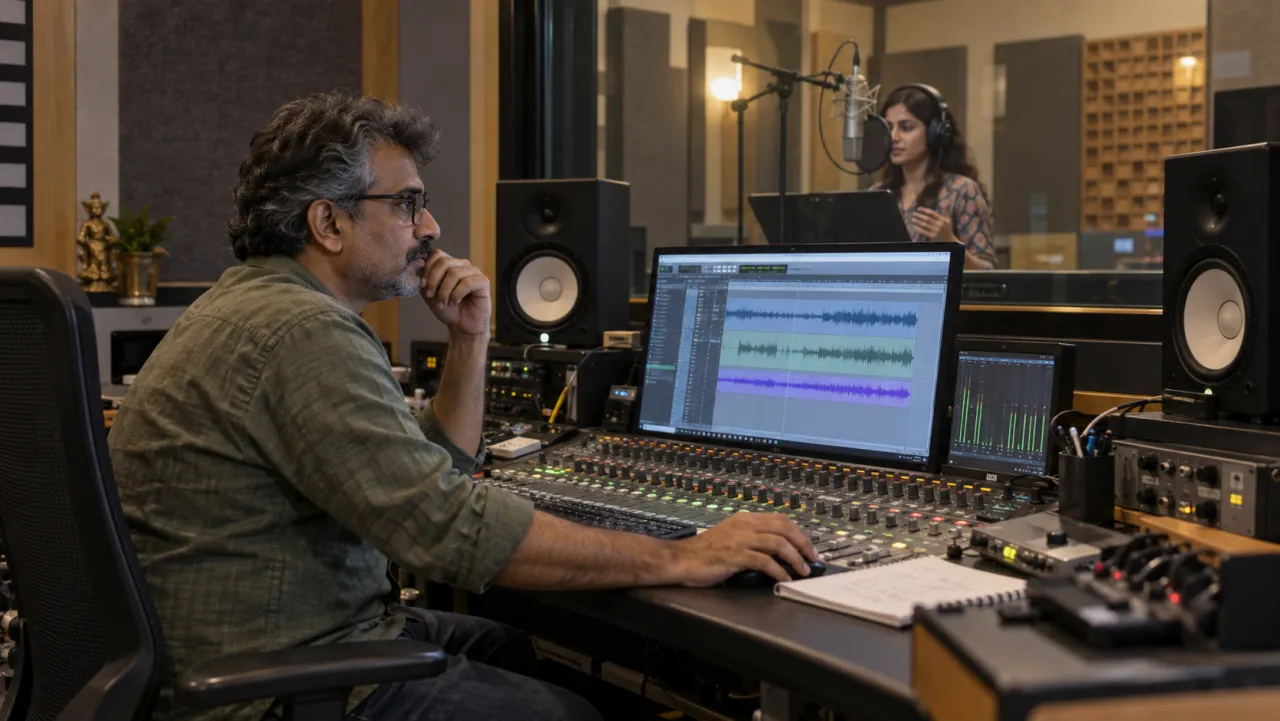
Audiences can forgive an ordinary image more easily than a voice they cannot understand. We prioritise dialogue clarity, address distracting noise where the recording allows it and build the atmosphere of each scene with suitable sound.
Music, ambience and effects should serve the film. The mix is checked for balance, synchronisation and the loudness requirements of its destination. Voice recording, dubbing, original composition or specialist surround work can be included when separately scoped.
Repair work with a realistic view of the source
Noise reduction, stabilisation and restoration can improve some recordings, but they cannot reliably recreate information that was never captured. We assess representative footage or audio before recommending corrective work, particularly when the issue is severe.
We weigh the benefit against possible side effects. Heavy noise reduction can damage the character of a voice; aggressive image processing can produce unnatural texture. The objective is usable, believable material, not a technically processed result that calls attention to itself.
Where repair is uncertain, a short test or an alternative editorial solution may be more useful than applying the same correction to every clip. Additional restoration is scoped according to the condition and volume of the source material.
Graphics, captions and versions with purpose
Titles and motion graphics make information readable without interrupting the film. We agree the visual language for names, maps, statistics, product information and brand elements before building more complex sequences.
Captions are checked for timing, names and readability. Language versions need more than a text swap: line length, voice timing and on-screen space can change. Vertical, square and shorter cuts are planned to protect the essential story in each format.
One story, carefully adapted for different screens
A vertical cut is not always a landscape film with its sides removed. We review framing, title placement and the role of each shot so the essential information still reads. A short version may need its own opening and ending rather than simply stopping the main film early.
We agree the version list before the edit is locked. This includes duration, aspect ratio, language, caption requirements and the destination of each export. Keeping that list clear reduces unnecessary duplicates and makes final approvals easier.
For translated or dubbed editions, wording, pronunciation and timing need their own review. We confirm who approves the translation and ensure names, technical terms and on-screen text are checked. The aim is a version that feels considered in its own language and format.
A workable collaboration with agencies and production teams
When several teams contribute, the handover needs to be clear enough that creative decisions survive the transfer. We agree how footage, project files, references and approvals will be exchanged, and who is responsible for each finishing stage.
Graphics, sound and picture teams need compatible versions and a shared understanding of picture lock. We identify the reference exports and handover files required for the particular workflow rather than assuming every project uses the same software or file structure.
Specialist visual effects, original music, surround mixes or other advanced requirements can be coordinated when scoped. The brief should name those requirements early, along with technical delivery instructions and any external team dependencies.
Quality checks before the final export
An export is not finished until it has been checked. We review the output against the agreed specification and look for problems that can be missed during editing. Where a broadcaster, festival or platform provides a delivery brief, it becomes part of the handover checklist.
- Correct resolution, frame rate, aspect ratio and codec.
- Playback checks for missing frames, unintended black frames and broken graphics.
- Audio synchronisation, channel layout and agreed loudness or peak limits.
- Spelling, credits, subtitle timing and final approved versions.
- Documented filenames and an agreed delivery and retention plan.
Why bring your footage to Polymarph
Our approach connects the editorial decision with the finish. When a cut changes, we consider what that means for sound, graphics and the release versions. You can discuss the whole film in one production conversation instead of treating each finishing task as an isolated request.
We can scope post-production for footage we have filmed or material supplied by a client or agency. The practical advantage is clear responsibility, an organised review process and a finishing package built around where the film will actually be seen.
- Story-led editing with technical finishing planned alongside it.
- Milestones, approvals and revision scope established early.
- Versions considered together for visual and editorial consistency.
- Specialist work identified before it becomes a last-minute requirement.
A handover that makes the next step easier
Your final package may include a high-quality master, web exports, social versions, caption files, audio stems and a clean version without titles. Each is included only where agreed, with filenames and version labels that make the handover easy to follow.
Editable project files, licensed assets and long-term storage require their own agreement. Third-party licences may limit what can be transferred. We clarify those details before work starts, so ownership and access are understood at delivery.
| Delivery item | What is agreed before finishing |
|---|---|
| Main master | Runtime, resolution, frame rate, codec and destination specification. |
| Web and social exports | Aspect ratios, compression requirements and the exact version list. |
| Captions | File format, language, spelling and timing approvals. |
| Audio stems | Required dialogue, music or effects separation where included. |
| Clean or textless versions | Which titles, graphics or subtitles are omitted, where requested. |
| Editable project handover | Application, supporting media, licence limits and any transfer fee. |
| Retention | How long project material is stored and the agreed retrieval arrangements. |
A finishing proposal you can plan around
We build the estimate around source volume, target runtime, editorial complexity, supplied assets and the finishing and version package. Review rounds, specialist tasks, licensed material and storage are identified explicitly.
A schedule also depends on the completeness of the handover and the speed of approvals. We agree when assets and feedback are due, which decisions must be locked and what the final delivery requires. Rush work is assessed against those realities rather than promised without looking at the material.
Before work starts, you should know what will be delivered, what remains outside the scope and how additional requests will be handled. That clarity allows the creative work to move forward with fewer avoidable delays.
Before we begin
Can you edit footage shot by another team?
Yes. We first assess the source material, completeness, technical condition and permissions, then agree a workflow and scope.
Can poor sound or shaky footage be repaired?
Some issues can be reduced, but recovery depends on the source. We assess representative material before promising restoration results.
How long does post-production take?
It depends on footage volume, runtime, complexity, review speed and the finishing package. We provide milestones after reviewing the brief.
Can you deliver multiple languages and social versions?
Yes, when included in the scope. We agree translation, voice work, captions, aspect ratios and version counts before scheduling.
Do you provide editing only, or the complete finish?
Either can be scoped. We agree which editorial, colour, sound, graphics and delivery tasks belong to Polymarph and which remain with your other teams.
What do you need for an estimate?
A brief, target runtime, representative source material, approximate footage volume, supplied assets, version requirements and the intended deadline.
Can our agency supervise the edit?
Yes. We agree the review arrangement, decision maker, access and handover process in the project brief.
Are music and stock licences included?
Only where explicitly listed. Usage, territory and licence duration need to match the intended release.
Start a conversation
Let’s find the strongest version of your film.
Based in Hyderabad. Projects across India and abroad by arrangement.